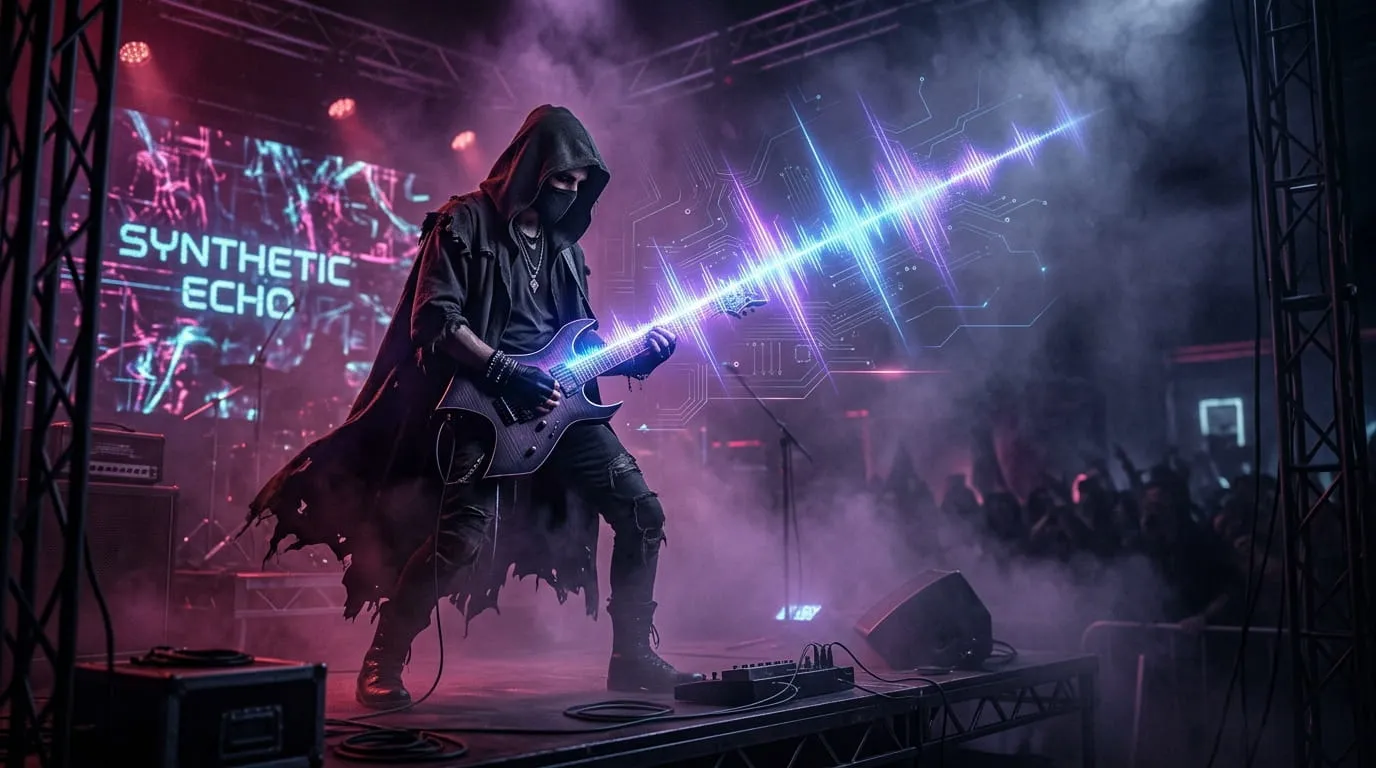
If you scroll through TikTok or Instagram right now, you have probably run into SKARS. The goth rock project has filled music feeds with brooding vocals, heavy riffs, and moody cover art. It has also filled comment sections with one recurring question: is Skars AI? Nobody outside the project has proven the answer either way, and the project itself has never given a straight response. What exists instead is a long list of red flags, from an unusually fast release schedule to accusations of lifted melodies, that has convinced a large share of listeners SKARS is either fully AI generated or leans on AI tools far more than its marketing suggests. Here is what is actually verifiable, what is speculation, and how to weigh it yourself.
Who Is Skars
SKARS presents itself as a solo goth rock and metal act, though promotional language has also called it a band. Its catalog already spans several full length records, including Nothing Lasts Forever, Heartbroken Lullaby, a self titled release, and Decay. The songs mix punk rock, nu metal, and pop hooks, and tracks like Killer Queen have picked up traction through short clips on TikTok and Instagram Reels. The project has an active Spotify page, a Deezer listing, and an Instagram account that posts often. What it does not have is a documented lineup, a confirmed hometown, or any record of a live performance. Press coverage exists, but most of it reads like promotional copy written from a press kit rather than independent reporting, which is part of why suspicion has grown around it.
Is Skars AI? The Evidence Fans Point To
Nobody has published technical proof that SKARS runs entirely on generative software. What exists is a pattern of circumstantial evidence that keeps surfacing in fan discussions, YouTube breakdown videos, and comment sections across every platform where SKARS shows up.
The Vocal and Production Signatures
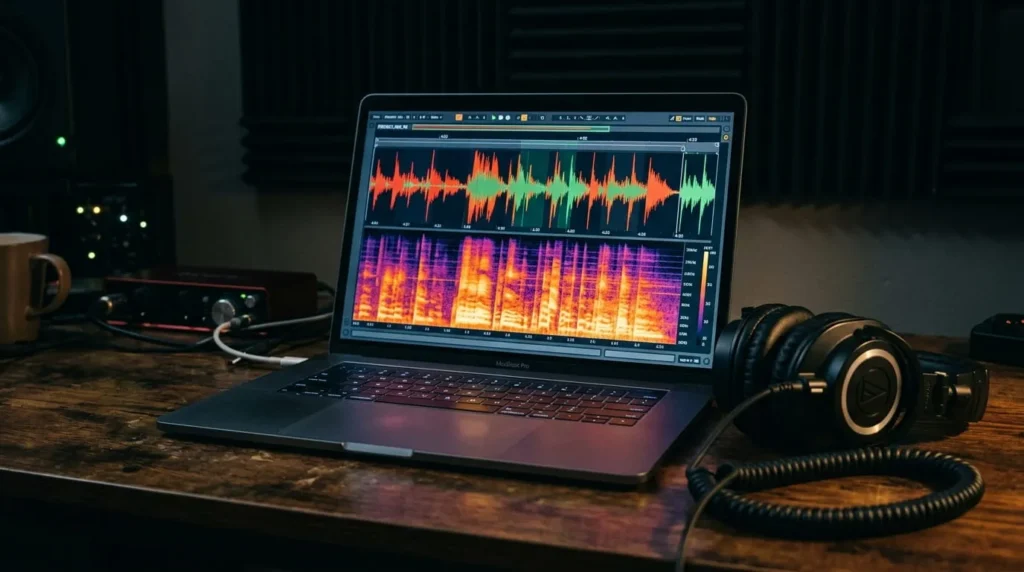
Listeners with a trained ear for audio production have flagged several recurring details across SKARS tracks. Vocal takes sometimes shift tone or accent slightly between verses, a common artifact when a voice model blends multiple training samples. Reverb and mixing choices repeat almost identically across songs that are supposedly different sessions, as if the same digital chain processed everything at once. None of this proves generative software was used, but it closely mirrors patterns found in other music already confirmed to be AI made.
1: No Members, No Shows, No Interviews
Real touring bands leave a paper trail. They play venues, get photographed by local outlets, and sit for interviews where a writer can ask follow up questions. SKARS has none of that. There is no verified member roster, no confirmed hometown, and no record of a single live performance anywhere. For a project pulling in the kind of attention SKARS gets on social media, that absence is unusual, and it is one of the biggest reasons the Skars AI question keeps resurfacing every few weeks.
2: A Release Schedule That Outpaces Most Bands
SKARS has released multiple full length albums within a short span, some carrying fifteen to twenty tracks apiece. Writing, recording, mixing, and releasing that volume of original music that quickly is rare for an independent artist without a full production team behind them. Generative tools can produce a finished sounding track in minutes, which explains that pace far more easily than a traditional home studio workflow ever could.
3: The Melody and Sampling Backlash
The loudest complaints have come from musicians who say specific SKARS songs open with melodies that sound identical to existing tracks, with no credit or sample clearance mentioned anywhere. Commenters on TikTok have called this out directly, arguing that a real songwriter would either license a familiar melody or avoid it entirely. Whether this points to a licensing shortcut, a coincidence, or a model trained on copyrighted material without permission is still debated. It has become the single biggest driver of backlash against the project, even more than the AI question itself.
What Skars Has Said About The AI Accusations
The project has not issued a formal statement confirming or denying AI involvement. Its Instagram account has instead responded to individual accusations with short, sarcastic captions rather than direct answers. That kind of response fuels speculation rather than settling it, since it reads as neither a real confirmation nor a real denial. Compare that to acts that use AI openly and say so in their bio, or ones that categorically deny it with specific claims about who wrote and performed each part. SKARS has done neither, and that silence has become part of the story.
Why Accounts Like Skars Go Viral In The First Place
Social platforms reward consistency and volume more than they reward proof of authenticity. An account that can post daily and cut a fresh short clip every few days has a structural advantage over a touring band that releases one single every few months. Goth and metal visuals also perform well as short form content, since moody lighting, leather, and dramatic makeup are easy to produce and easy to scroll past without questioning. Combine a steady output schedule with visuals built for quick consumption, and an account can rack up plays long before anyone stops to ask who actually made the music. That dynamic does not prove SKARS is AI, but it explains why an AI generated act would thrive on these platforms even if listeners never get a straight answer about its origins.
How Skars Compares To Other Suspected AI Acts
SKARS is not the first project to face this exact question. A band called The Velvet Sundown built a large Spotify following before a self described spokesperson claimed their music was made with an AI tool, then admitted the entire spokesperson role was a hoax aimed at journalists. The band itself denied being AI generated throughout, and Spotify never required them to disclose otherwise, since the platform does not mandate AI labeling for uploaded music. Deezer, by contrast, flagged their album as AI generated under its own detection policy. That case shows how messy these situations get once streaming platforms, hoaxers, and genuine listeners all weigh in with conflicting claims. SKARS follows a similar shape: fast growth, a thin verifiable identity, and a fanbase split between people who do not care and people who feel misled.
Does It Actually Matter If Skars Is AI
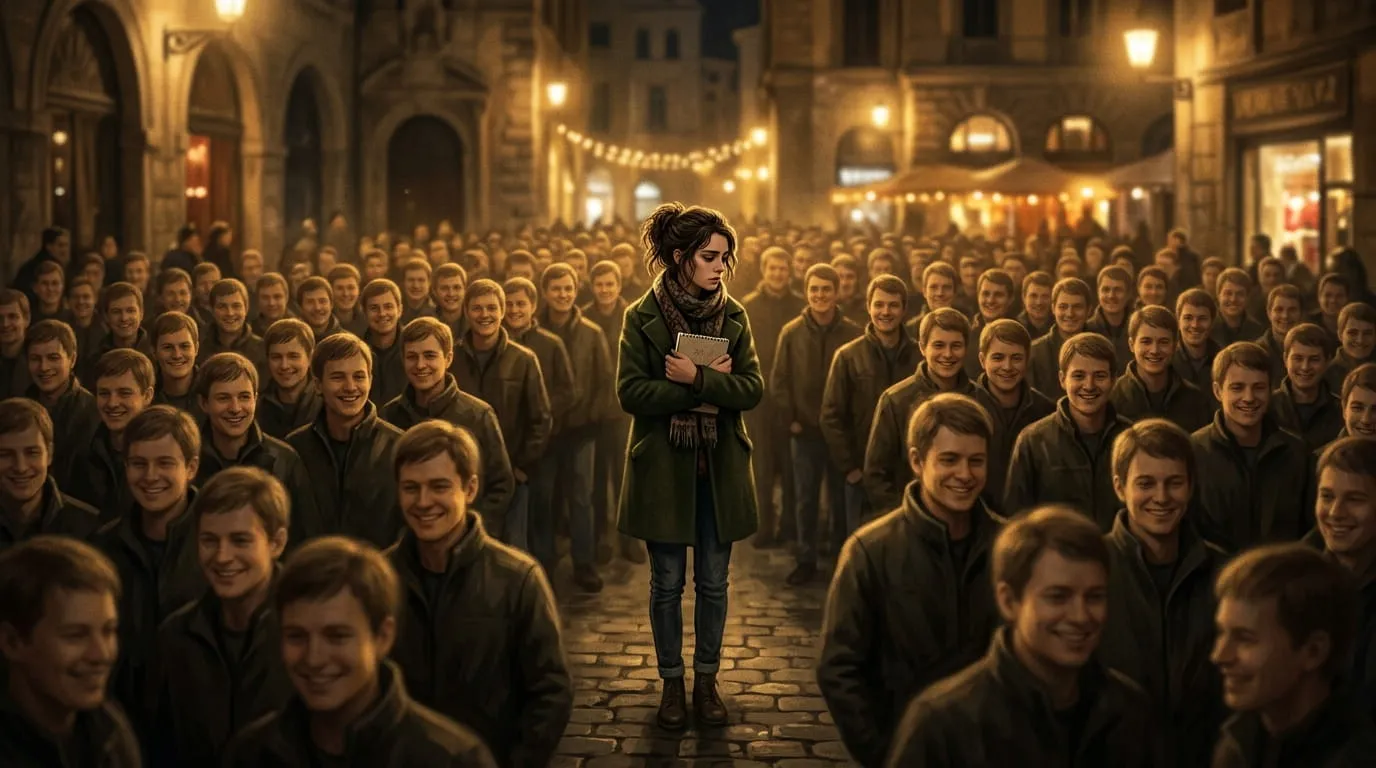
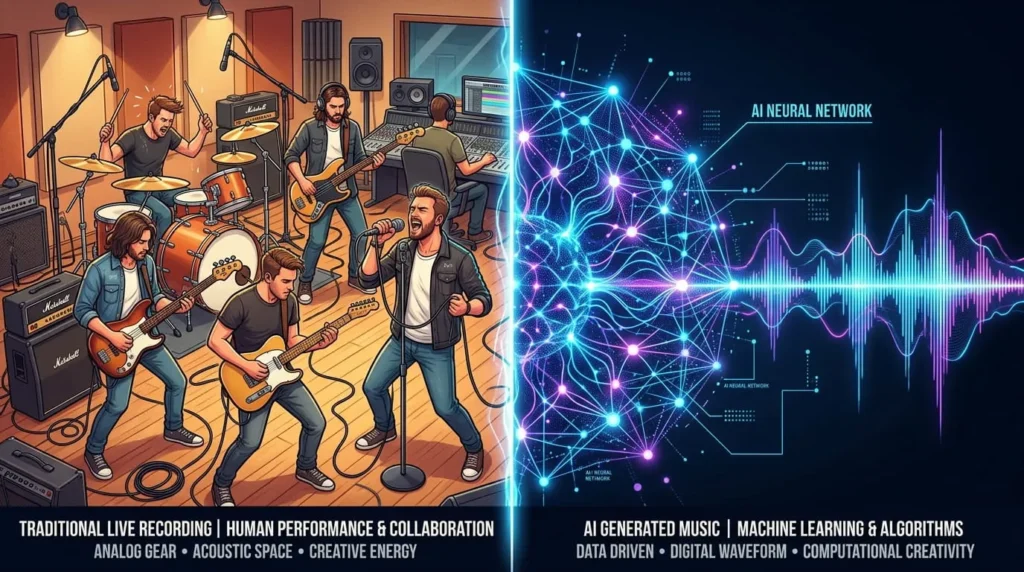
For a lot of listeners, the honest answer is no. If a song sounds good, streaming numbers and playlist adds do not usually depend on who or what wrote it. But the objection most people raise is not really about AI as a tool. It is about transparency. Fans who feel emotionally connected to an artist’s story tend to feel deceived when that story turns out to be fabricated or unverifiable. There is also a fairness question for working musicians competing against an account that can release an album’s worth of songs in the time it takes most bands to finish two tracks. That imbalance is a big part of why the backlash has stayed so loud.
How To Judge An AI Music Account Yourself
Since SKARS will not be the last project to raise this question, it helps to know what to actually check before drawing a conclusion. Start by searching for verified live performances with real dates, venues, and audience footage, not just studio style visuals. Run the artist’s promotional photos through a reverse image search, since AI generated faces and press shots often turn up as identical images used by unrelated accounts elsewhere. Check the release calendar for how many full projects came out in a short window, since a pace far above typical songwriter output is a meaningful signal on its own. Read any interview coverage carefully and check whether the outlet actually spoke to a person, since some music coverage is paid placement written from a press kit rather than original reporting. Finally, check whether the streaming platform itself flags the content, since services like Deezer now label confirmed AI generated releases while others, including Spotify, currently do not require disclosure at all.
So, Is Skars AI? The Verdict
Based on everything publicly available, SKARS has not been confirmed as AI generated by the project itself, a label, or an independent technical analysis. What exists instead is a strong circumstantial case: an unusually fast catalog, no verifiable members or live shows, mixing patterns that repeat suspiciously across supposedly separate songs, and promotional coverage that reads more like marketing than journalism. Add the melody complaints on top of that, and it is easy to see why so many listeners have already made up their minds. Until SKARS addresses the question directly and specifically, the fair position is that the project is very likely AI assisted in some form, even if the exact tools and the level of human involvement behind it remain unclear.